High-Performance Lubricant Additive Formulation
ClientIndependent research — automotive lubrication
- Materials
- Tribology
Result
−15%
dynamic friction coefficient
no change to viscosity or film thickness
The problem
High-performance engine oil, wet clutches, gearboxes, sprockets, and chains all put metal-to-metal contacts under sustained high temperature and shear stress. That demands a lubricant with low friction, a high flash point, and an oil film that holds up under load — properties that don’t automatically come as a package.
Approach
The formulation combines a metal conditioner, a dispersant, and a detergent compound in a synthetic oil base. The metal conditioner forms a protective chemical film directly on the metal surface, cutting friction and preventing metal-to-metal contact. The dispersant keeps wear particles suspended rather than settling, preserving the oil’s lubricating ability over time. The detergent compound breaks down and removes contaminants that would otherwise damage the surfaces. The synthetic base itself was chosen for a high flash point and for its ability to sustain a strong oil film at temperature.
Result
Testing showed a 15% reduction in the dynamic friction coefficient of the automotive-grade synthetic base oil — achieved without changing overall viscosity or film thickness across the operating temperature range, meaning the friction gain didn’t come at the cost of the oil’s other protective properties.
Why it matters for your program
Additive package formulation is a genuine multi-objective problem — friction, film strength, thermal stability, and cleanliness all pull in different directions. Getting one property to move without dragging the others backward is the actual engineering challenge, not the headline number.
Walkthrough
How it came together
- 01
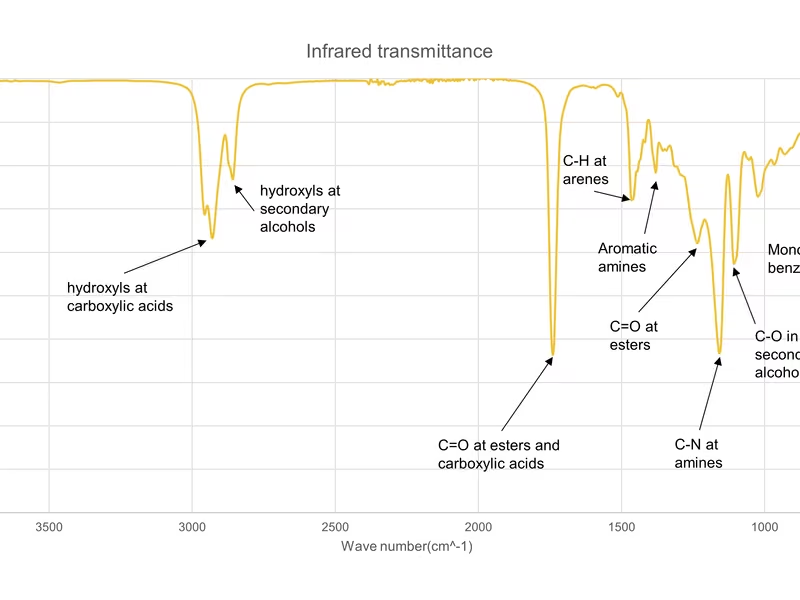
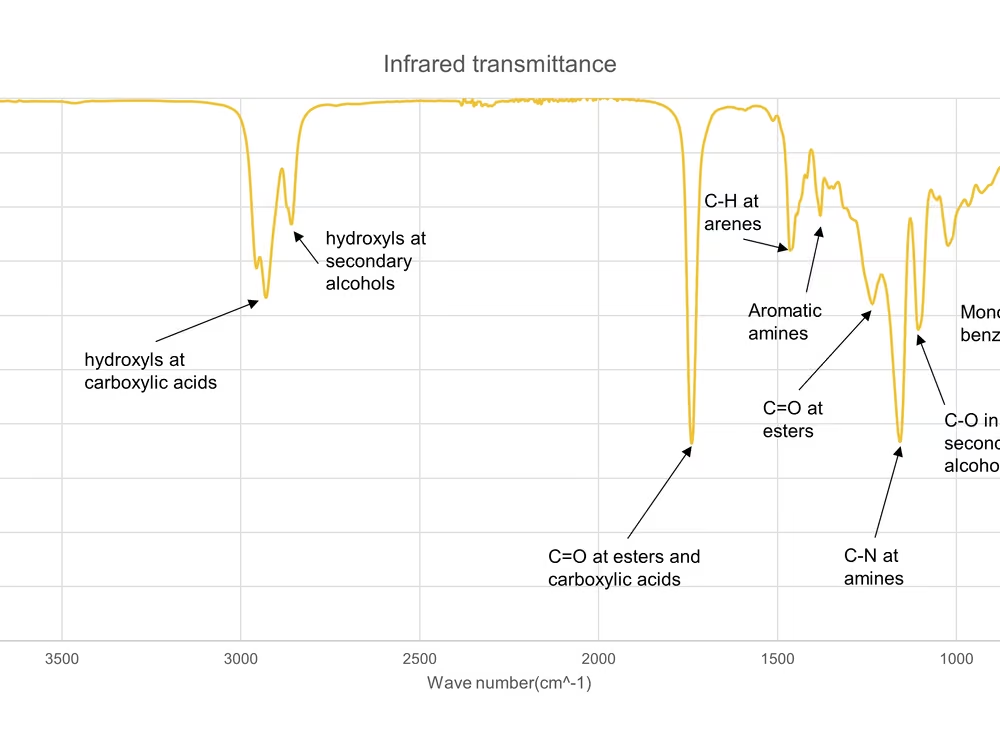
Infrared transmittance testing used to certify the additive package
- 02
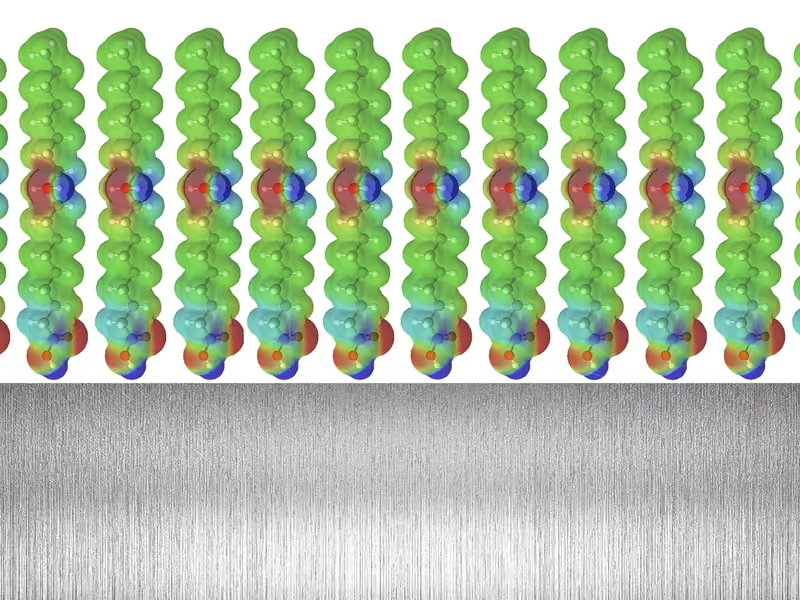
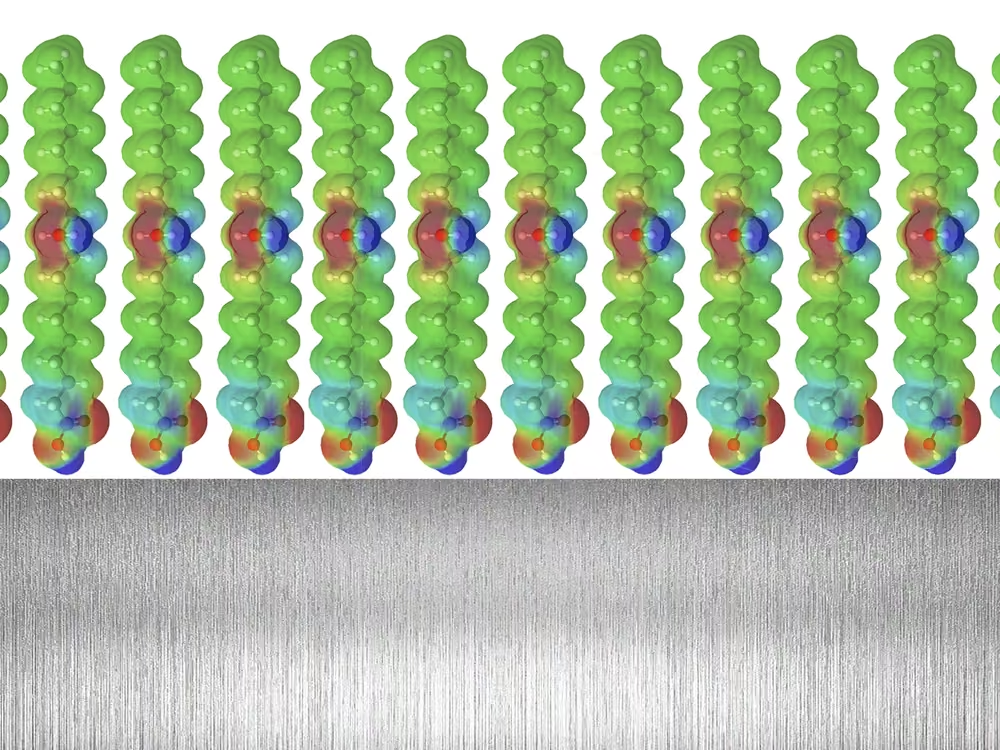
Schematic of the friction-reducer molecule's organization at the metal contact surface
- 03
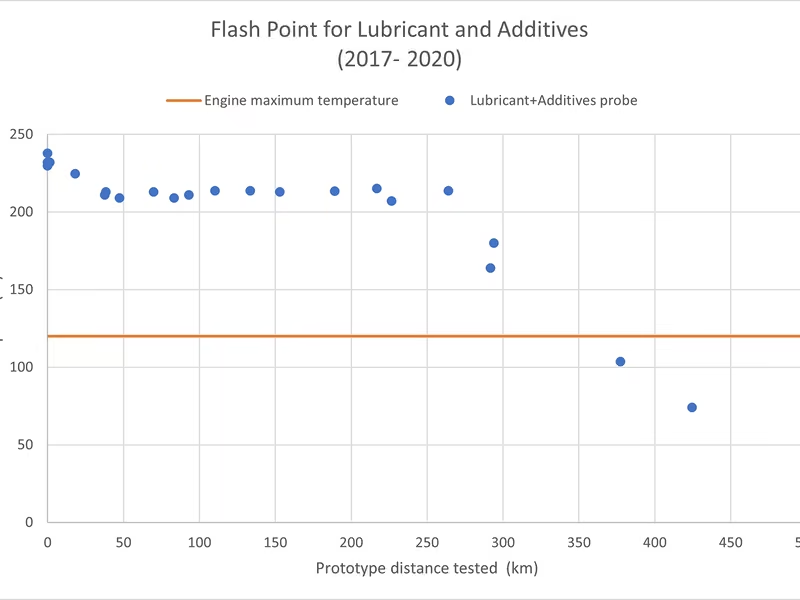
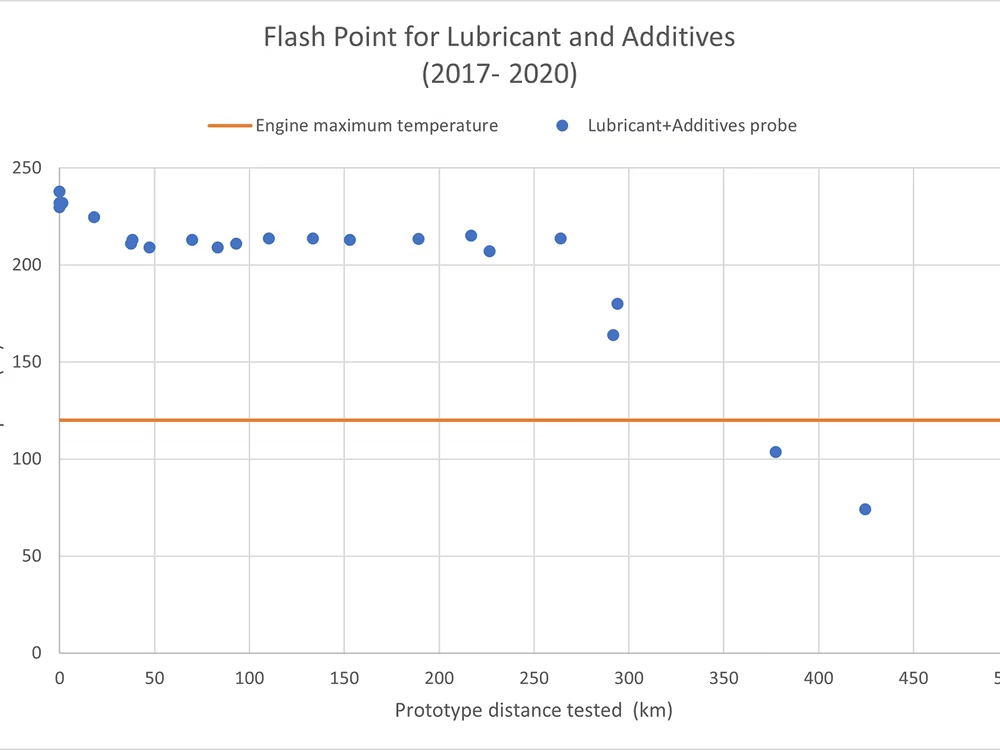
Temperature degradation resistance testing of the additive package
Have a similar problem?
−15% dynamic friction coefficient, no change to viscosity or film thickness. Tell me what you're working on and I'll tell you directly whether and how I can help.
I reply to every enquiry within one business day.
+55 16 99785-1402